
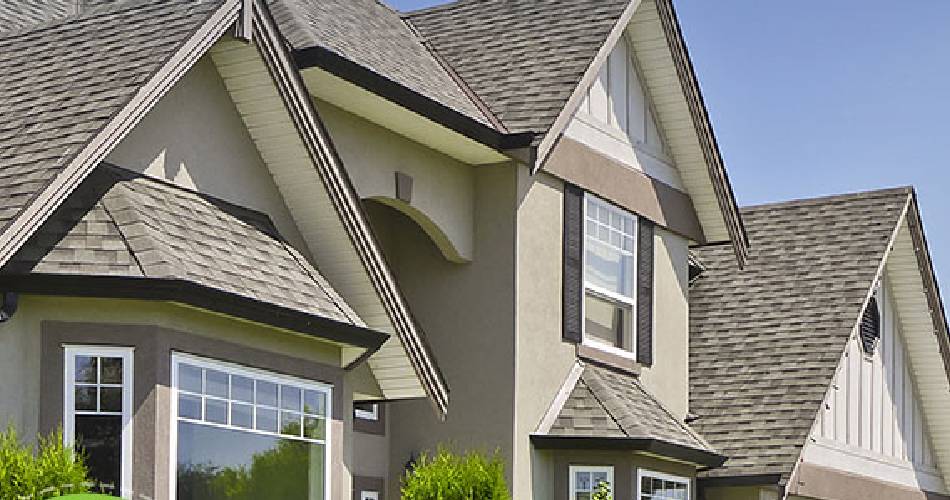
Upgrading your home's roof is one of the most important investments you can make to improve safety, energy efficiency, weather protection, and overall property value. A well-planned roofing upgrade enhances your home's appearance while protecting it from the elements for many years. However, rushing into a roofing project without proper planning can lead to costly mistakes that affect both performance and durability. Understanding the most common roofing upgrade mistakes helps homeowners make informed decisions and achieve long-lasting results. One of the biggest mistakes homeowners make is choosing roofing materials based solely on appearance. While curb appeal is important, roofing materials should also be selected according to your local climate, maintenance preferences, durability requirements, and budget. Different roofing materials offer varying levels of resistance to heat, rain, wind, and moisture. Choosing the right material ensures your roof performs well throughout changing weather conditions while complementing your home's architectural style.
Another common mistake is hiring a contractor without thoroughly checking their qualifications. Choosing the lowest bid may seem like a way to save money, but poor workmanship can result in leaks, structural issues, and premature roof failure. Homeowners should research contractors carefully, verify licensing and insurance, review previous projects, and read customer reviews before making a decision. Working with experienced professionals helps ensure proper installation and long-term reliability. Many homeowners overlook the importance of a detailed roof inspection before beginning an upgrade. Existing issues such as damaged decking, water intrusion, mold, or weakened structural components should be identified and repaired before installing new roofing materials. Covering hidden problems without addressing them first can reduce the lifespan of the new roof and lead to more expensive repairs in the future.
Ignoring proper roof ventilation is another mistake that can affect the performance of a roofing system. Adequate ventilation allows air to circulate through the attic, helping regulate temperature and reduce moisture buildup. Poor ventilation can contribute to excessive heat, condensation, mold growth, and reduced energy efficiency. Incorporating proper ventilation into a roofing upgrade supports the long-term health of both the roof and the home. Some homeowners focus only on roofing shingles while neglecting other essential components of the roofing system. Flashing, underlayment, drip edges, vents, and gutters all play important roles in protecting the home from water damage. Replacing only visible roofing materials without upgrading these supporting elements may leave vulnerable areas exposed to future leaks and deterioration.
Selecting low-quality materials simply to reduce initial costs can become an expensive decision over time. Inferior roofing products may wear out more quickly, require frequent repairs, and provide less protection against severe weather. Investing in durable, high-quality materials often delivers better long-term value by reducing maintenance needs and extending the life of the roof. Skipping manufacturer recommendations during installation is another mistake that can affect both performance and warranty coverage. Roofing systems are designed to be installed according to specific guidelines that ensure proper sealing, fastening, and weather resistance. Following recommended installation practices helps maximize durability while preserving applicable warranty protection. Many homeowners underestimate the importance of planning for future maintenance after completing a roofing upgrade. Even a newly installed roof requires periodic inspections, gutter cleaning, debris removal, and prompt attention to minor issues.
Routine maintenance helps identify potential problems early and keeps the roofing system performing efficiently throughout its expected lifespan. Failing to consider energy efficiency is another missed opportunity during a roofing upgrade. Modern roofing materials can improve insulation, reflect solar heat, and contribute to lower energy consumption throughout the year. Some homeowners also overlook local building codes and permit requirements before beginning a roofing project. Compliance with local regulations helps ensure the installation meets current safety standards and prevents unnecessary delays or legal complications. Working with knowledgeable professionals who understand local requirements can simplify the process and provide greater peace of mind.